
"Ethiopia coffee defects"
2000 article(s) found

Introduction to the quality characteristics of Solar G1 Ethiopia Sidamo Coffee Bean Flavor description treatment
Introduction of Ethiopian coffee beans 1. After picking beans without special screening and treatment, uneven appearance and maturity are mixed together, the process is relatively rough, so the quality of coffee beans is unstable and prone to defective beans. two。 Coffee farmers usually find an open space near their home to deal with it, so there are often a lot of impurities or dirt on the ground, and coffee is easy to be contaminated.
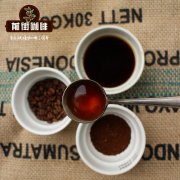
The producing area of boutique coffee beans, the best coffee in Ethiopia in Africa, has to mention this wetland.
Professional coffee knowledge exchange more coffee bean information please follow the coffee workshop (Wechat official account cafe_style) Qianjie-Yega Xuefei producing area introduces the general impression of Africa, they have higher temperature and less moisture. So for beans on the African side, most of them are treated in the sun. The sun exposure method because it is directly exposed to the sun in the open area.

A brief introduction to the History and Culture of the Origin and Development of Fine Coffee beans
Sun Yega snow coffee, beans are small and neat short round, Ethiopian sun beans are generally G3--G5, but this bean is G2, equal to the grade of washed beans, although there are still a few defective beans, but compared with Harald and Sidamo sun beans, it is commendable that Yirga cheffe is a small town in Ethiopia, 1700-2100 meters above sea level, is also Ethiopia

Ethiopian Arabica Coffee Sidama Region Lion King Coffee
Even the official Ethiopian research unit cannot say how many Arabicans there are in Ethiopia. Coffee cooperatives on one mountain certainly grow different varieties than those on another, and even small farmers in the same area grow different varieties of coffee. Some estimate that there are at least 2,000 varieties of Ethiopian coffee, and there are even more than 4,500 varieties. Compared to the southern neighbor, Ken

Introduction to the characteristics of Flavor and taste Manor in Xidamo Chiso Coffee producing area of Ethiopia
Shakisso is located in the southern part of Guji and Oromia, adjacent to Sidama and Gedeo. There are many pits in this area, which were used to mine gold in the early days, so there are many potholes in this coffee growing area. This makes people dangerous when walking between coffee growing areas. Shaquiso is unique to Gucci / Sidamori.

East African Fine Coffee stands for Yejia Sherry Coffee Bean Variety Planting Market Price Profile
Yejia Shefei is a sub-producing area in Sidamo Province of West Damo, Ethiopia. It is located in the northwest of West Damo, near mountains and lakes. It is one of the highest coffee producing areas in Ethiopia. However, the production method and flavor here are too prominent, resulting in Ethiopian coffee farmers competing to be proud of their own coffee with Yejia Shefei flavor, so they are independent from the West Damo production area and have their own style.

Wild taste Yega Xuefei Aduo boutique coffee bean cultivation geographical location, climate, altitude simple
The grading system of Ethiopian coffee is not based on the number of items, but on the proportion of defective beans in raw beans. In October 2009, Ethiopia launched the ECX boutique coffee trading grading system. Through the evaluation of raw beans, Q-Grader made the following grades: washed Yega Xuefei is divided into two grades: Grade 1 and Grade 2, sun Yega Xuefei is divided into Grade 1,

Full of soft Yega Xuefei Aduo boutique coffee beans planting geographical location, climate, altitude is simple.
4. The grading system of grade Ethiopian coffee is not based on the number of items, but on the proportion of defective beans in raw beans. In October 2009, Ethiopia launched the ECX boutique coffee trading grading system. Q-Grader rated raw beans as follows: washed Yega Xuefei was divided into Grade 1 and Grade 2, and Solar Yega Xuefei was classified as G

Geographical characteristics of Sidamo producing area in Ethiopia; description of coffee flavor in manor; introduction to planting environment
Ethiopian coffee beans 1. When picking beans, only fully ripe crimson coffee cherries are picked. Before exposure, the beans will be screened for defects in the processing plant to make the beans look more average in size and maturity. two。 Next, use tall wooden frames or whole scaffolding for the sun to avoid the risk of beans smelling on the ground. In the process of exposure,
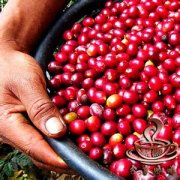
Coffee grindability and roasting degree of Yega Fischer Manor in Ethiopia with rich jasmine scent
There is a strict standard for collecting red fruits (as a result of coffee trees). Before exposure to coffee fruits, unripe green fruits or defective fruits are removed manually, and damaged or moldy fruits are removed during the sun drying process. after two weeks, the flesh sugar and essence seeped into the coffee beans, the water content was reduced to 12%, and then scraped off the hardened pulp, pectin layer and pods with a planer to remove the coffee.

Yesobi Yesuga Chuefei Fruit Yega Chefeppe Coffee Fruit
Professional Coffee knowledge Exchange more Coffee Bean Information Please note Coffee Workshop (Wechat account cafe_style) Front Street-Yega Coffee Gl Ethiopia Yirgacheffe Natural Boyefi G1 Yega Berry Fruit country: Ethiopia: Kochere, Wave Village processing: Japanese products: native species (Hei)

Introduction to the quality Manor of Ethiopian Sidamo Coffee Bean Taste and Flavor description
Introduction to the quality of Ethiopian Sidamo taste description method 1. When picking beans, only fully ripe crimson coffee cherries are picked. Before exposure, the beans will be screened for defects in the processing plant to make the beans look more average in size and maturity. two。 Then, use a tall wooden frame or a whole scaffolding to make the sun, so as to avoid soiling the beans on the ground.

Fruity Yejia Shefei Aduo Fine Coffee Bean Planting Location Climate Elevation Simple
Initially, Yegashefi's coffee trees were cultivated by European monks (a bit like Belgian monks growing wheat to brew beer), but later by farmers or cooperatives. Yega Shefi is actually constructed by surrounding coffee communities or cooperatives, including Idido, Harfusa, Hama, Biloa near Misty Valley, all washed with water.

Description of different flavors of coffee beans from Ethiopia and Indonesia
The different flavors of coffee beans from Ethiopia and Indonesia describe the taste of coffee beans. Varieties represent countries: Guatemala, Costa Rica, Savaldo and other Central American countries. The higher the altitude of the origin, the better the quality of coffee. Because of the low altitude and hot climate, coffee trees grow faster and absorb less soil nutrients, so the taste of coffee is poor. Growth 1375 years 1
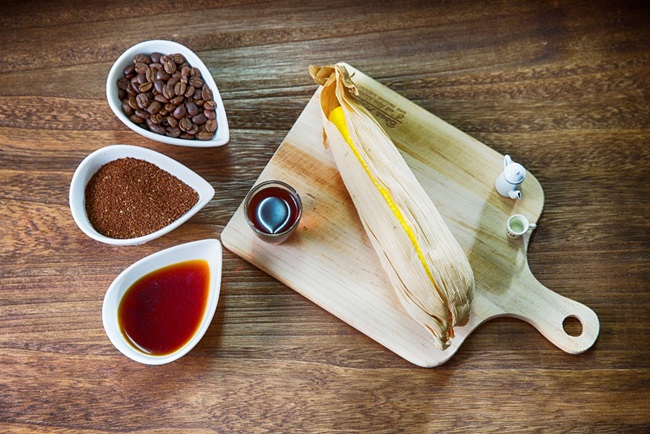
Global Coffee Bean grading system details of Raw Bean grading Standards in Coffee producing countries
For the exchange of professional baristas, please pay attention to the naming methods of coffee in coffee workshop (Wechat official account cafe_style): G1, G2, G3, G4, AA, PB, SHB, SHG, EP, PLANTATION. What exactly does it stand for? The information that may be included in the name of a coffee is: country, producing area, variety, treatment, cup quality, bean order, bean shape or bean color, defect quantity

Is there a G1 grade for the Ethiopian sun grading? Is there a G1 grade only for washing?
Professional barista communication Please follow the coffee workshop (Wechat official account cafe_style) do you know the coffee grading in Ethiopia, only the washing treatment can have G1 at the earliest? But how do you see more and more people selling Ethiopian suntan G1 coffee beans now? First of all, let's take a look at the grading of Ethiopian coffee beans. In the ECX trading system
A brief introduction to the Origin and Development of Fine Coffee beans with elegant Fruit and Wine flavor
However, in the past two years, Yejia snow coffee is unusual, frequently launched amazing sun beans, and become a boutique market Deep-Fried Chicken! The beans are small, neat and round. Ethiopian sun beans are generally G3--G5, but this bean is G2, which is equal to the grade of washed beans. Although there are still a few defective beans, they belong to the sun beans compared to those of Harald and Sidamo.

A brief introduction to the treatment method of grinding degree and baking degree of Yega Xuefei Adoto boutique coffee beans with rich fruit flavor
The grading system of Ethiopian coffee is not based on the number of items, but on the proportion of defective beans in raw beans. In October 2009, Ethiopia launched the ECX boutique coffee trading grading system. Through the evaluation of raw beans, Q-Grader made the following grades: washed Yega Xuefei is divided into two grades: Grade 1 and Grade 2, sun Yega Xuefei is divided into Grade 1,

Introduction of Ethiopian coffee, characteristics of Ethiopian coffee beans
Following caf é (Wechat official account vdailycom) found that Beautiful Caf é opened a small shop of its own Ethiopia is the hometown of Arabica coffee, it is in the forests of the Kaffa region that you can see wild Arabica coffee. In Ethiopian, coffee is called Bun or Buna, and coffee beans (coffeebean) may be turned from Kaffa Bun

Ethiopia Malaysia Cooperative-description of the flavor and flavor of Shirley Coffee Coffee
For the exchange of professional baristas, please follow the coffee workshop (Wechat official account cafe_style) ■ country: Ethiopia ■ Manor: Malaysia Cooperative ■ production area: Yejia Sheffield ■ treatment: Wash washing ■ harvest time: 2014 arrived ■ varieties: Ethiopian native species ■ appearance: 17-18screen ■ grade: Gr1 cup test record: Malaysia cooperative is YCFCU